
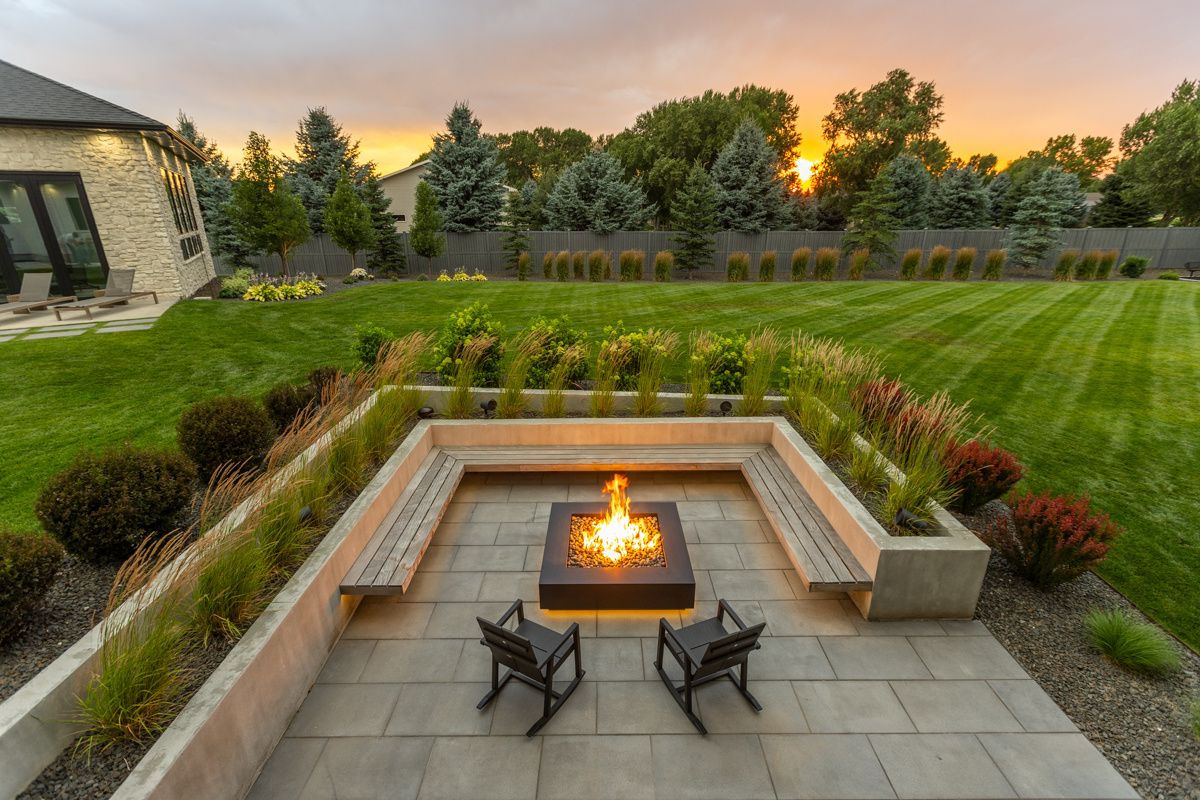
Landscaping is an ongoing process that requires attention throughout the year. Each season presents unique opportunities and challenges, and understanding how to care for your outdoor space can ensure it remains healthy, functional, and visually appealing all year round. Seasonal landscaping combines smart planning, plant care, and timely maintenance to create a thriving landscape no matter the weather.
Call Cove Creek Industries for mulch Charlottesville, VA if you are looking for high-quality mulch products to enhance your landscaping projects, improve soil health, and maintain a clean, attractive outdoor appearance. They offer reliable mulch supply suitable for residential yards, commercial properties, gardens, and large-scale landscaping work, helping to retain moisture, reduce weed growth, and protect plant roots. With a focus on consistent quality and dependable service, Cove Creek Industries ensures timely delivery and customer satisfaction for every order. Call Cove Creek Industries for mulch Charlottesville, VA to get durable and affordable mulch solutions tailored to your landscaping needs.
Spring Landscaping Tips
Spring is the perfect time to refresh your landscape after the cold winter months. This season focuses on planting, pruning, and preparing your yard for growth.
- Planting and Transplanting: Spring is ideal for planting flowers, shrubs, and trees. It allows new plants to establish roots before the heat of summer. Consider native species for lower maintenance and environmental benefits.
- Soil Preparation: Test your soil and amend it with compost or organic fertilizers to improve fertility. Aerate compacted soil to allow roots to access water and nutrients more effectively.
- Pruning and Cleanup: Remove dead or damaged branches from trees and shrubs. Clean up fallen leaves, debris, and winter mulch to prevent disease and pests.
- Mulching: Apply a fresh layer of mulch to retain moisture, suppress weeds, and regulate soil temperature.
Summer Landscaping Tips
Summer brings warmth and sunshine, but it also requires attention to water management and plant health.
- Watering: Water early in the morning or late in the evening to minimize evaporation. Use drip irrigation or soaker hoses for efficiency.
- Lawn Care: Mow your lawn regularly, but avoid cutting it too short to prevent stress. Leave grass clippings as natural fertilizer.
- Pest Control: Monitor plants for pests and diseases. Use organic or natural remedies whenever possible to protect the environment.
- Shade and Heat Protection: Provide shade for sensitive plants and outdoor seating areas. Consider pergolas, awnings, or strategically placed trees.
Fall Landscaping Tips
Autumn is a critical time for preparing your landscape for winter while enjoying the changing colors.
- Plant Bulbs: Fall is the ideal season to plant spring-blooming bulbs like tulips, daffodils, and crocuses.
- Leaf Management: Regularly rake or mulch fallen leaves to prevent suffocation of grass and reduce pest problems.
- Pruning and Cleanup: Trim dead or overgrown branches, but avoid heavy pruning, which can stress plants before winter.
- Soil Enrichment: Add compost or organic matter to garden beds to improve soil fertility and structure.
Winter Landscaping Tips
Winter requires preparation and protection to ensure your landscape survives cold temperatures.
- Protect Plants: Use burlap wraps, mulch, or protective covers for delicate shrubs and young trees.
- Watering: Water plants sparingly, but ensure evergreens and other hardy plants receive moisture before the ground freezes.
- Pruning: Focus on removing damaged or dead branches, particularly from trees, to prevent breakage from snow or ice.
- Plan for Spring: Use this time to plan new plantings, hardscape projects, or redesign elements for the coming year.
Benefits of Seasonal Landscaping
Paying attention to seasonal landscaping not only improves the health and longevity of your plants but also enhances the overall appearance of your property year-round. Well-maintained landscapes increase property value, reduce long-term maintenance costs, and create inviting outdoor spaces for relaxation and entertainment in every season.
Conclusion
Seasonal landscaping is about adapting to the natural rhythms of your environment while proactively caring for your outdoor space. By following these seasonal tips—planting in spring, watering efficiently in summer, preparing for fall, and protecting during winter—you can maintain a beautiful, healthy, and functional landscape all year.
A well-managed seasonal landscaping plan ensures that your yard remains vibrant and sustainable, providing a safe, enjoyable, and visually appealing outdoor space through every season. With careful planning, timely maintenance, and thoughtful design, your landscape can be a source of pride and enjoyment throughout the entire year.