
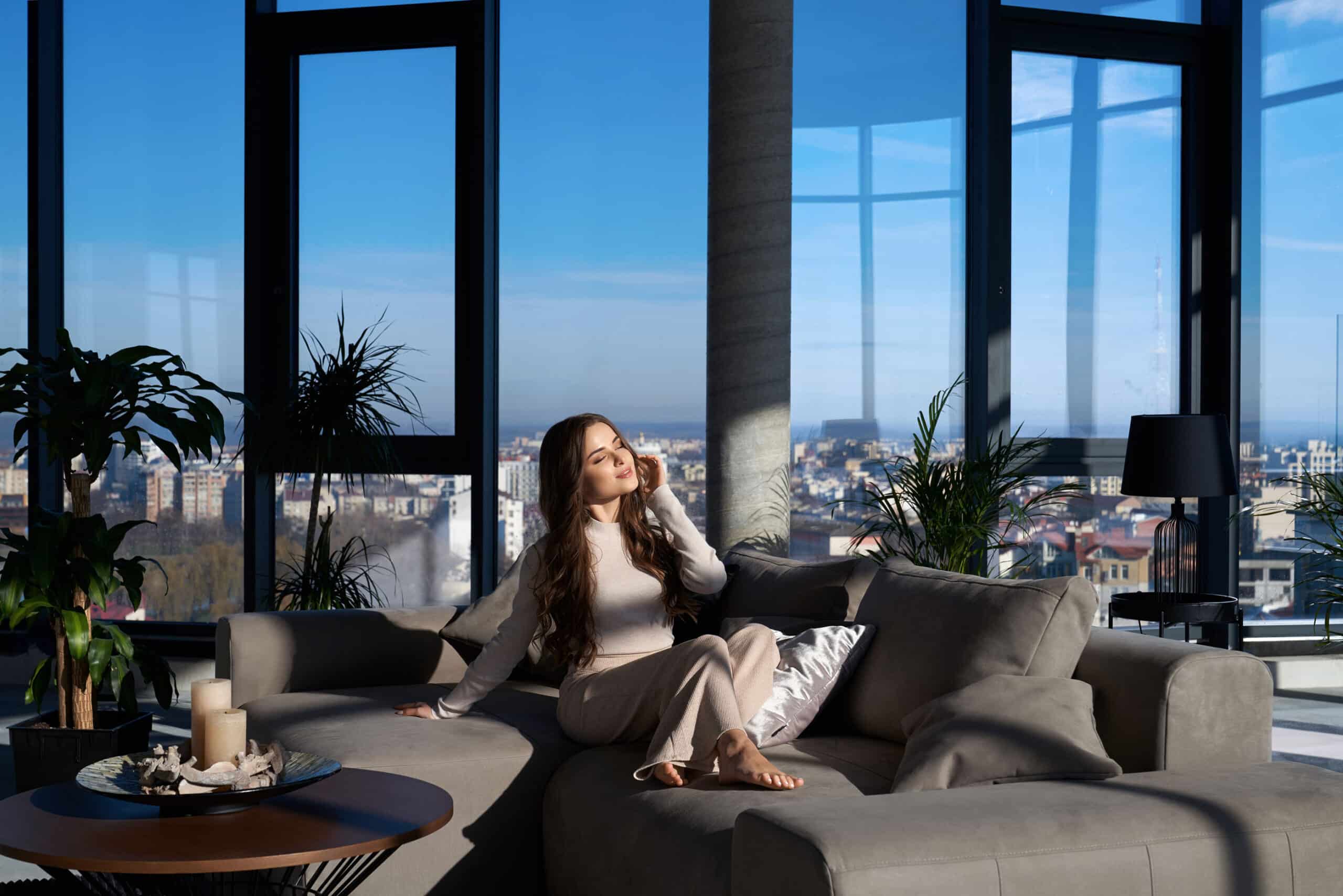
Lifestyle now represents not only a reflection of how people live in today ‘s fast-paced and interconnected world, but their values, priorities, and choices. From what we put into our mouths to what we put on our backs, how we behave in work situations and contrast them with times of leisure, our socializing or communication modes with others–lifestyle makes up for an individual ‘s identity and overall quality of life, covering physical, emotional and social aspects alike Which lifestyle do you want? offers all urbanites hands-on advice for achieving pregnant harmony.
As people strive for success and happiness, understanding and cultivating a balanced lifestyle has become essential for long-term well-being. Defining Lifestyle in the Modern Context
The term “lifestyle” means age, sex, occupation, background, where you live: in short your hue and social position. A person’s lifestyle reflects their goals, beliefs, and circumstances. While lifestyle once depended largely on culture and socioeconomic background, modern globalization and technology have made it a matter for personal choice and expression.
Today life is increasingly linked with wellness, sustainability and equilibrium. People are becoming more aware of the effects their everyday habits have on mental state, physical health, and environment. As a result, there is growing interest in holistic living–integrating health, work, leisure and relationships into a satisfying whole.
Health and Wellness as Lifestyle Priorities One of the most visible changes in modern lifestyles is the shift towards health and wellness. People used to think that only those who were into professional sports or health-consciuously conscious types could be like TEFL teachers. Today, staying physically active and eating food mindfully have become key constituent parts of a healthy lifestyle.
Regular exercise, whether it’s yoga, running or gym workouts, is good not only for muscles but also spirit. Not only that, exercise can improve mood by improving mental clarity and participating in regular activities.
Nutrition is as critical as movement. However, more people now adopt plant-based diets for energy and natural supplements that prevent sickness. This reflects a growing awareness of health, in the broadest sense–that body and soul are really one.
Sleep and relaxation are also lifestyle priorities. In a world that doesn’t stop, it’s often considered an indulgence to take time off. But quality sleep, a meditative practice–or just screen-free hours in the day–can completely transform your mood and ability to accomplish things.
Work-Life Balance and Modern Challenges
The Digital Age has blurred the line between work and personal life. Remote work, smart phones, and continuous connection in one way or another make it hard to relax. With flexibility of tog, technology also brings pressure to be productive 24/7.
A healthy work-life balance requires clear boundaries. Blocking off time to rest and recover, taking breaks from demands and even learning to say no when we are overextended help maintain emotional stability. Companies also understand it is vital for workers’ welfare by offering flexible hours and wellness programs, including mental health support.
What makes a sustainable lifestyle different from simply working less hard? It’s a question of smart working–of aligning one’s professional aspirations with personal satisfaction. When work becomes the fruit of creativity and passion, people will fall in love with what they do live a life without stress or spiritual compromise.
Social Connections and Emotional Well-Being
Human beings are social animals. Stout relationships give birth to good health. A sense of community belonging brings emotional well-being.
Setting Limits on Screen Time Is More Important than Ever Before
With digital information becoming ubiquitous and omnipresent, people tend to rely on social media in order to stay connected with each other. One obvious drawback, though, is that it can sometimes produce feelings of loneliness and inadequacy. Balancing social media interaction with real relationships in life is very necessary. Spending more time being with your family than making money; being kind-hearted and open-hearted at any time of the year. Attending community campaigns and taking part in them; These activities can make your life vastly richer than material success ever will.
Having a strong capacity for emotional resilience requires self-awareness and self-care. Taking some time out to think or rest, going through personal growth processes- all of these help cultivate inner peace. Today, many people are taking their own emotional journey towards the help that mindfulness, journaling, and therapy all offer.
Sustainable and Conscious Living
An increasing number of people are taking up sustainable ways of life, incorporating environmental consciousness into it. From consuming conscientiously— choosing environmentally friendly products, reducing waste and brandishing of ethical brands— it seems that society is heading toward mindful living.
It is not enough just to care about protecting the environment; sustainability also means thinking for future generations. Examples of simple acts such as recycling one’s trash, using less plastic and conserving energy contribute to a more responsible lifestyle in turn.
Mindfulness, a rising philosophy, preaches that people should live deliberately. It urges people to enjoy experiences instead of possessions, thereby fostering contentment and peace of mind.
The Role of Technology in Shaping Lifestyle
Technology has changed virtually every area of lifestyle, from how we communicate and shop to how we study or have fun. Smart devices (such as the wearable fitness trackers), apps — all serve to help make it easier for us to perfect our health and manage time. Then again, however, the situation becomes a double-edged sword. Because people are always never content with what they’ve got – gnawing on such hard work but never getting full up; pushedforward, always hurried because there’s no time for the music and peace that might nourish your spirit into a different attitude towards life.
It is vital to maintain an equable calibration of technological access and daily experience. This means using it discreetly and with moderation; cutting back on net surfing (by taking digital detoxes )and seeking out low-tech hobbies helps ensure that the space one also experiences a real sense of presence truly belongs to oneself.
ConclusionLifestyle is the art of living consciously, it is about making conscious decisions based upon our values, dreams and desires.Balance is the ultimate luxury in this age of continuous change and information overload.A healthy lifestyle combines physical health, emotional wellbeing, community ties and environmental consciousness.By being self-aware and living consciously, people can develop lifestyles that are not only good for your own health but also contribute positively to the world in general.In the end, a good lifestyle is not about perfection, or status. It is about harmony, happiness and living every day of your life with purpose.